When choosing greenery for interior decoration, many people ask: what is the difference between an artificial tree vs artificial plant?
Both artificial trees and artificial plants can add natural beauty to indoor spaces without the maintenance required by real plants. However, they differ greatly in size, structure, applications, and visual impact.
Understanding the difference between an artificial tree vs artificial plant can help homeowners, designers, hotels, restaurants, and commercial projects choose the right decorative solution.
Artificial plants are often used as decorative accents for smaller areas, while artificial trees are designed to create a stronger visual impact and become the focal point in larger spaces.
What Is an Artificial Tree?
An artificial tree is a realistic decorative tree designed to replicate the appearance and structure of a natural tree.
Unlike small artificial plants, artificial trees usually include a complete tree structure, and high-quality artificial trees are often designed with realistic details, including natural trunk textures, irregular branch arrangements, and carefully placed leaves to create an authentic appearance.
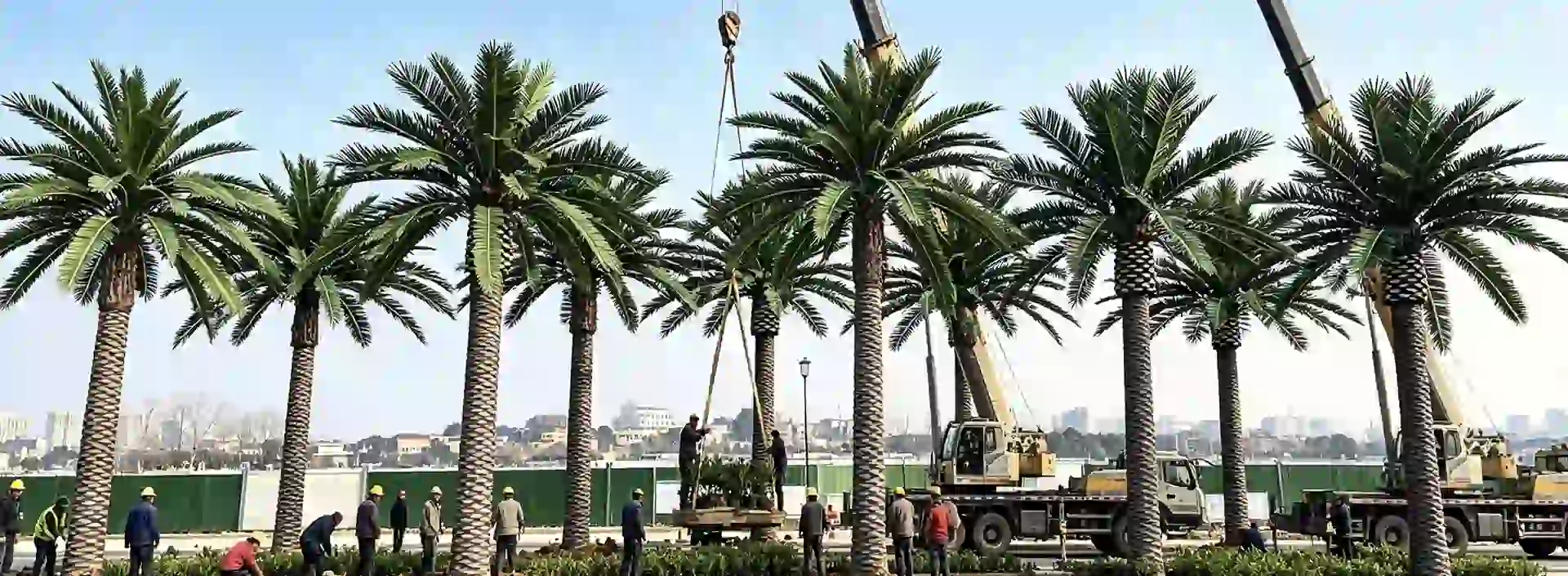
Common types of artificial trees include artificial olive trees, artificial palm trees, artificial ficus trees, artificial cherry blossom trees, artificial maple trees, artificial pine trees, and other types. They are widely used in hotel lobbies, shopping malls, restaurants, office buildings, resorts, luxury residences, and commercial interiors.
What Is an Artificial Plant?
An artificial plant is a general term for decorative plants made from synthetic materials. It includes smaller greenery products that imitate real plants, flowers, shrubs, and foliage.
Artificial plants are usually used for decoration rather than creating a large visual centerpiece.
Examples include artificial flowers, artificial shrubs, artificial grass, artificial potted plants, artificial hanging plants, small decorative greenery, and other items. They are commonly used on tabletops, shelves, reception desks, small corners, home decoration, office accessories, and other areas. They are a convenient way to add greenery to spaces where large trees may not be suitable.
Key Differences Between Artificial Trees and Artificial Plants
1. Size and Visual Impact
The biggest difference between artificial trees and artificial plants is their size and presence.
Artificial Trees
Artificial trees are larger and designed to attract attention.
Typical sizes:
- 1.5m–3m for homes, offices, and restaurants
- 3m–6m for hotels and commercial spaces
- 6m+ for large atriums and custom projects
They are often used as statement pieces that define the atmosphere of a space.
Artificial Plants
Artificial plants are usually smaller and serve as complementary decorations.
Typical applications:
- Adding small touches of greenery
- Filling empty spaces
- Decorating furniture areas
They enhance the environment but usually do not become the main design feature.
2. Structure and Construction
Compared with artificial plants, artificial trees usually require a more complex manufacturing process.
A high-quality artificial tree may include:
Trunk Structure
The trunk determines the overall realism and stability of the tree.
Common materials include:
- Fiberglass
- Natural wood
- Steel structure
- Synthetic materials
For large commercial projects, fiberglass trunks and reinforced internal structures are often used to ensure durability.
Branch Design
Artificial trees require carefully designed branches to create a natural shape.
Important factors include:
- Branch direction
- Branch density
- Natural irregularity
- Tree silhouette
Leaf Arrangement
The placement of leaves affects realism.
Premium artificial trees use:
- High-quality silk leaves
- PE leaves
- UV-resistant materials
- Handmade leaf arrangement
Artificial plants usually have simpler structures because of their smaller size.
3. Application Areas
The choice between artificial trees and artificial plants depends largely on the space.
Artificial Tree vs Artificial Plant for Commercial Spaces
Artificial trees are ideal for large indoor projects.
Popular applications:
Hotels
Used in:
- Hotel lobbies
- Reception areas
- Guest lounges
Large artificial olive trees and palm trees can create a luxurious atmosphere.
Shopping Malls
Used in:
- Atriums
- Public areas
- Entrance spaces
Large artificial trees help create memorable visual experiences.
Restaurants and Cafés
Used to create:
- Natural dining environments
- Comfortable atmospheres
- Unique interior design
Offices
Artificial trees add greenery while maintaining a clean and professional appearance.
Artificial Plants for Smaller Spaces
Artificial plants are more suitable for:
- Apartments
- Small offices
- Shelves
- Desks
- Bathrooms
- Small decorative areas
They are flexible and easy to move.
4. Maintenance Requirements
One of the biggest advantages of both artificial trees and artificial plants is low maintenance.
Unlike real plants, they do not require:
- Watering
- Sunlight
- Fertilizing
- Regular pruning
However, occasional cleaning is recommended.
For artificial trees:
- Remove dust from the leaves regularly
- Check the branches after installation
- Clean according to material requirements
For artificial plants: Simple dusting is usually sufficien.
5. Cost Difference
The cost of artificial trees and artificial plants varies depending on:
- Size
- Materials
- Design complexity
- Realism
- Customization requirements
Generally:
Artificial plants are more affordable because they are smaller and require fewer materials.
Artificial trees usually require a higher investment because they include:
- Larger structures
- More materials
- Detailed craftsmanship
- Stronger support systems
However, for hotels, restaurants, and commercial projects, artificial trees often provide greater visual value and long-term decorative benefits.
Artificial Trees vs. Artificial Plants: Which One Should You Choose?
The right choice depends on your space and design goals.
Choose an Artificial Tree If You Want To:
- Create a strong visual focal point
- Decorate a large space
- Add luxury and a natural atmosphere
- Enhance commercial interiors
- Fill high-ceiling areas
Recommended for:
- Hotels
- Shopping malls
- Restaurants
- Resorts
- Large offices
Choose an Artificial Plant If You Want To:
- Add small decorative details
- Improve small spaces
- Create flexible arrangements
- Decorate desks or shelves
Recommended for:
- Homes
- Small offices
- Retail counters
- Small apartments
Why Artificial Trees Are Popular in Modern Interior Design
Modern interior design increasingly focuses on bringing natural elements into indoor environments.
However, real trees often have limitations:
- Require sunlight
- Need regular maintenance
- May not survive in indoor conditions
- Require irrigation systems
Artificial trees provide a practical alternative by offering:
- Realistic appearance
- Long-lasting beauty
- Flexible placement
- Low maintenance
- ear-round greenery
For commercial projects, artificial trees can transform empty spaces into attractive and welcoming environments.
Custom Artificial Trees for Commercial Projects
For large-scale projects, standard artificial trees may not always meet design requirements.
Custom artificial trees allow designers to adjust:
- Tree height
- Canopy width
- Trunk shape
- Branch structure
- Leaf density
- Color and style
Professional artificial tree manufacturers can create unique designs based on architectural concepts and project requirements.
Frequently Asked Questions (FAQ)
1、Are artificial trees better than artificial plants?
It depends on the purpose. Artificial trees are better for creating a large visual impact, while artificial plants are suitable for smaller decorative areas.
2、Are artificial trees suitable for indoor use?
Yes. Artificial trees are widely used indoors because they do not require sunlight or regular maintenance.
3、What is the difference between a fake tree and a fake plant?
A fake tree usually has a complete tree structure, including a trunk and branches, while a fake plant is a broader category that includes smaller decorative greenery.
4、How long do artificial trees last?
High-quality artificial trees can last for many years when properly maintained, especially when made with durable materials.
5、Can artificial trees be customized?
Yes. Professional manufacturers can customize height, shape, materials, and design according to project requirements.
Conclusion
The main difference between artificial trees and artificial plants is their size, structure, and purpose.
Artificial plants are ideal for adding small decorative touches, while artificial trees are designed to create impressive visual experiences and become key elements in interior design.
For homes, small offices, and compact spaces, artificial plants may be the right choice. For hotels, restaurants, shopping malls, and commercial projects, artificial trees provide stronger design impact and long-term decorative value.
Choosing the right option depends on your space, design goals, and the atmosphere you want to create.
Learn more about our realistic Artificial Olive Trees designed for hotels, restaurants, and commercial interiors.https://lanselva.com/artificial-trees/large-artificial-olive-tree-11/
For large-scale projects, explore our custom artificial trees for commercial spaces.https://lanselva.com/artificial-trees/large-artificial-king-palm-trees/
Artificial cherry blossom trees are also popular choices for luxury interior decoration.https://lanselva.com/artificial-trees/artificial-cherry-blossom-tree/